
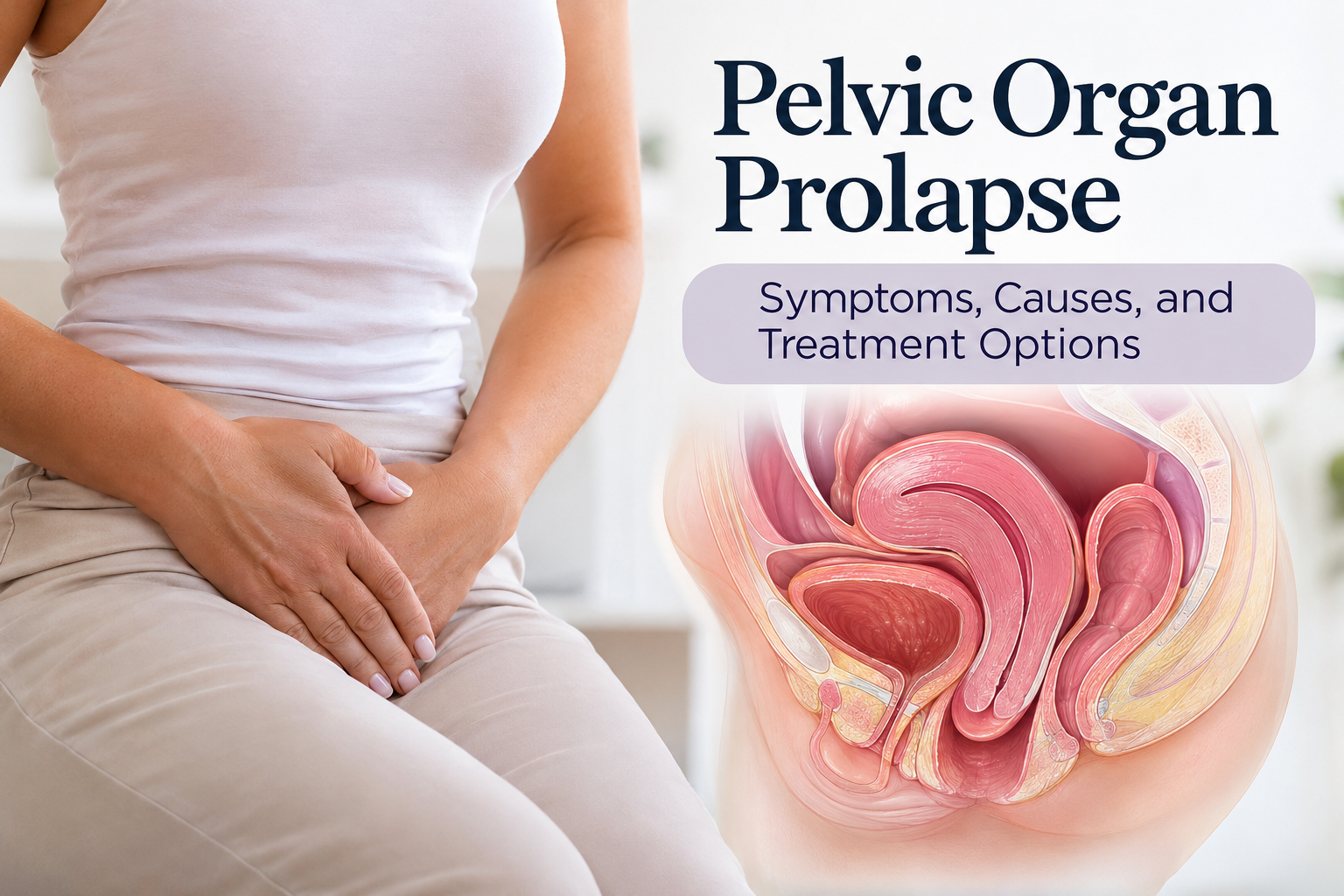
Pelvic Organ Prolapse: Symptoms, Causes, and Treatment Options
Pelvic organ prolapse is a common pelvic floor condition that can affect a woman’s comfort, bladder function, bowel movements, and overall quality of life. Although it becomes more common with age, pelvic organ prolapse can develop at different stages of life, particularly after childbirth or when the pelvic floor’s supporting structures weaken.
Some women experience only mild symptoms, while others notice a feeling of heaviness, a vaginal bulge, urinary difficulties, or discomfort during everyday activities.
Understanding the condition is the first step toward finding appropriate care.
For women considering pelvic organ prolapse treatment in Miami, an individualized evaluation can help determine the type and severity of prolapse and identify suitable treatment options.
What Is Pelvic Organ Prolapse?
Pelvic organ prolapse occurs when one or more pelvic organs descend from their usual position because the muscles, ligaments, and connective tissues supporting them have weakened.
The pelvic floor helps support several important structures, including the bladder, uterus, vagina, and rectum.
When these supporting tissues become stretched or damaged, an organ may press against or protrude into the vaginal wall.
Pelvic organ prolapse is not always dangerous, but it can produce uncomfortable symptoms that interfere with daily activities, exercise, sexual function, and bladder or bowel control.
The condition varies considerably from person to person. Some women have anatomical prolapse without significant discomfort, while others experience symptoms that warrant treatment.
Types of Pelvic Organ Prolapse
The type of prolapse depends on which pelvic structure has lost support.
Cystocele: Bladder Prolapse
A cystocele occurs when the bladder pushes against the front wall of the vagina.
Possible symptoms include:
- Vaginal pressure or bulging.
- Difficulty completely emptying the bladder.
- Urinary leakage.
- Frequent urination.
- Discomfort during physical activities.
A cystocele may occur independently or alongside other forms of prolapse.
Rectocele: Posterior Vaginal Wall Prolapse
A rectocele develops when the rectum pushes against the back wall of the vagina.
Women with a rectocele may experience constipation, difficulty passing stool, or a sensation of incomplete bowel emptying.
Some may need to apply pressure to the vaginal wall or perineum to assist bowel movements.
However, not all bowel symptoms are caused by prolapse, making an accurate diagnosis important.
Uterine Prolapse
Uterine prolapse occurs when the uterus descends toward or into the vaginal canal.
Symptoms may include pelvic heaviness, vaginal bulging, lower back discomfort, or urinary and bowel difficulties.
The severity of uterine prolapse varies, and treatment does not automatically require removal of the uterus.
Vaginal Vault Prolapse
Vaginal vault prolapse may develop after a hysterectomy when the upper portion of the vagina loses its normal support.
Patients may experience a bulge, pelvic pressure, or difficulties with bladder and bowel function.
Reconstructive procedures may be considered when symptoms significantly affect quality of life.
Enterocele
An enterocele involves the small intestine descending into a weakened area near the upper vaginal wall.
It may occur together with other pelvic support defects and requires evaluation to determine the most appropriate management.
Common Symptoms of Pelvic Organ Prolapse
Symptoms depend on the type and degree of prolapse.
Common signs include:
- A feeling of heaviness or pressure in the pelvis.
- A bulge or protrusion at the vaginal opening.
- Discomfort that becomes more noticeable after prolonged standing.
- Difficulty emptying the bladder.
- Urinary leakage or urgency.
- Constipation or difficulty with bowel movements.
- Discomfort during sexual intercourse.
- A pulling sensation in the lower pelvis.
Symptoms may become more noticeable later in the day or after activities that increase abdominal pressure.
Importantly, the severity of symptoms does not always correspond directly to the anatomical stage of prolapse.
Some women have substantial prolapse with limited symptoms, while others experience significant discomfort with less advanced changes.
A medical examination can help clarify the cause.
What Causes Pelvic Organ Prolapse?
Pelvic organ prolapse usually develops through a combination of factors rather than a single event.
Pregnancy and Vaginal Childbirth
Pregnancy places additional pressure on the pelvic floor, while vaginal childbirth may stretch or injure supporting muscles and connective tissues.
Having multiple vaginal deliveries can increase the risk, although prolapse can also occur in women who have never given birth.
Aging and Menopause
As women age, changes in muscle strength, connective tissue, and hormonal support may contribute to pelvic floor weakness.
Menopause can also be associated with vaginal tissue changes that affect comfort and symptom management.
Chronic Constipation
Repeated straining during bowel movements increases pressure on the pelvic floor.
Managing constipation is therefore an important component of pelvic health.
Excessive or Repeated Physical Strain
Frequent heavy lifting and other activities that repeatedly increase abdominal pressure may contribute to symptoms in susceptible individuals.
Chronic Cough
A persistent cough can place repeated strain on the pelvic floor.
Addressing the underlying cause may help reduce this pressure.
Family History and Connective Tissue Factors
Some women may have an inherited predisposition to weaker pelvic connective tissues.
Previous pelvic surgery and other medical factors may also influence pelvic support.
How Is Pelvic Organ Prolapse Diagnosed?
A diagnosis begins with a medical history and physical examination.
During the consultation, the clinician may ask about:
- Vaginal pressure or bulging.
- Urinary leakage or difficulty urinating.
- Constipation and bowel symptoms.
- Previous pregnancies and deliveries.
- Menopausal status.
- Prior pelvic surgeries.
- Sexual function and discomfort.
- How symptoms affect everyday life.
A pelvic examination helps identify which structures have descended and assess the degree of prolapse.
Pelvic Organ Prolapse Quantification (POP-Q)
Clinicians may use the Pelvic Organ Prolapse Quantification system, commonly called POP-Q, to describe the location and extent of prolapse using standardized measurements.
This helps document findings and guide discussions about treatment.
Additional Diagnostic Testing
Not every patient needs advanced testing.
However, selected patients may benefit from bladder function testing, imaging, or other evaluations when symptoms are complex or when surgery is being considered.
For example, urinary symptoms may require assessment to determine whether they are related to prolapse, overactive bladder, stress incontinence, or another condition.
Pelvic Organ Prolapse Treatment Options
Treatment depends on the type of prolapse, symptom severity, overall health, personal preferences, and future reproductive plans.
Not every woman with pelvic organ prolapse needs surgery.
For some patients, monitoring and conservative treatment are appropriate. Others may benefit from reconstructive procedures when symptoms persist or significantly interfere with daily life.
1. Observation and Symptom Monitoring
Women with mild prolapse and few or no symptoms may not need immediate treatment.
A clinician may recommend periodic evaluations and measures to reduce unnecessary pelvic floor strain.
Treatment decisions should focus on symptoms and individual needs rather than anatomical findings alone.
2. Pelvic Floor Physical Therapy
Pelvic floor physical therapy can help patients improve muscle coordination, strength, and symptom control.
Treatment may include supervised pelvic floor exercises, education about pressure management, and strategies for bladder or bowel symptoms.
Although pelvic floor training may improve symptoms, it generally does not reverse the anatomical prolapse itself.
A trained pelvic floor physical therapist can help determine whether these exercises are appropriate and teach correct technique.
3. Vaginal Pessaries
A vaginal pessary is a removable medical device designed to support prolapsed pelvic structures.
Pessaries come in different shapes and sizes and are fitted according to the patient’s anatomy and symptoms.
They may be useful for women who:
- Prefer nonsurgical management.
- Are not suitable candidates for surgery.
- Want temporary symptom relief.
- Wish to postpone a procedure.
- Have prolapse symptoms that respond to mechanical support.
Proper fitting, cleaning, and follow-up are important to minimize irritation and other complications.
4. Lifestyle Modifications
Lifestyle changes may help reduce symptoms and pressure on the pelvic floor.
Depending on the patient’s situation, recommendations may include:
- Managing constipation.
- Increasing dietary fiber when appropriate.
- Treating chronic cough.
- Maintaining a healthy weight.
- Modifying activities that worsen symptoms.
- Avoiding unnecessary straining during bowel movements.
These measures can support symptom management but do not replace medical evaluation when prolapse is bothersome.
5. Vaginal Estrogen for Selected Patients
For some postmenopausal patients, a clinician may recommend local vaginal estrogen to address vaginal dryness, irritation, or tissue discomfort.
Vaginal estrogen is not a structural cure for prolapse, but it may improve certain associated symptoms or pessary tolerance.
Treatment should be individualized according to medical history and potential contraindications.
When Is Pelvic Organ Prolapse Surgery Considered?
Surgery may be considered when prolapse symptoms are significant, conservative treatment has not provided adequate relief, or a patient prefers a surgical approach after discussing the alternatives.
The goal of reconstructive surgery is to restore support to the affected pelvic structures and improve bothersome symptoms.
The choice of procedure depends on the specific anatomical defects, medical history, and patient goals.
Cystocele Repair
Cystocele repair addresses weakness in the anterior vaginal wall that allows the bladder to descend.
The procedure is intended to improve anatomical support, although urinary symptoms may require additional evaluation or treatment.
Rectocele Repair
Rectocele repair addresses weakness in the tissue separating the rectum and vagina.
It may be considered for selected patients with symptomatic posterior vaginal wall prolapse.
Bowel symptoms can have multiple causes, so the potential benefits should be discussed carefully.
Vaginal Vault Prolapse Repair
For patients with prolapse following hysterectomy, reconstructive surgery may restore support to the upper vagina.
The surgical approach depends on anatomy, previous procedures, overall health, and other individual factors.
Uterine Prolapse Surgery
Several surgical approaches may be considered for uterine prolapse.
Some procedures preserve the uterus, while others involve hysterectomy with appropriate support of the vaginal apex.
The decision should account for patient preferences, clinical findings, and the risks and benefits of each option.
What About Surgical Mesh?
Some prolapse procedures use native tissue, while selected abdominal or laparoscopic approaches may involve surgical mesh.
In the United States, transvaginal mesh products intended for pelvic organ prolapse repair were removed from the market by the FDA in 2019.
This action does not mean that all mesh-based procedures are prohibited. Mesh used in certain abdominal prolapse repairs and mesh slings for stress urinary incontinence involve different indications and regulatory considerations.
Patients should discuss the exact procedure, materials, alternatives, and potential complications with their surgeon.
Recovery After Pelvic Organ Prolapse Surgery
Recovery varies according to the procedure, surgical approach, and individual health factors.
Some patients return home the same day, while others require a hospital stay.
During recovery, patients may experience temporary discomfort, fatigue, or changes in bladder and bowel function.
Postoperative instructions may include restrictions on heavy lifting, strenuous activity, and vaginal intercourse for a specified period.
Follow-up appointments allow the surgeon to monitor healing and address concerns.
Patients should contact their healthcare team if they develop fever, increasing pain, heavy bleeding, inability to urinate, or other concerning symptoms.
Can Pelvic Organ Prolapse Return After Surgery?
Yes. Prolapse can recur after surgical repair.
Recurrence risk varies depending on the type of procedure, the tissues involved, individual risk factors, and other circumstances.
Surgery may improve anatomical support and symptoms, but no procedure can guarantee a permanent result.
Discussing realistic expectations is an essential part of informed consent.
Pelvic Organ Prolapse Before and After: Understanding Surgical Results
Patients considering reconstructive surgery often want to understand how treatment may change pelvic anatomy.
Before-and-after photographs can provide a visual example of an anatomical repair, but they do not demonstrate every aspect of treatment success.
For example, photographs cannot reliably show whether a patient experienced improved bladder control, bowel function, comfort, or long-term symptom relief.
Dr. Jaime Sepulveda’s website includes a Prolapse Repair example in its surgical photo gallery.
View the Before & After Gallery
Medical image notice: The gallery may contain sensitive clinical photographs. Individual outcomes vary, and photographs should not be interpreted as a guarantee of similar results.
Pelvic Organ Prolapse Treatment in South Miami
Women experiencing symptoms of pelvic organ prolapse may benefit from evaluation by a clinician experienced in female pelvic medicine and reconstructive surgery.
At his South Miami practice, Dr. Jaime L. Sepulveda provides evaluation and surgical care for pelvic floor disorders.
Services listed by the practice include cystocele repair, rectocele repair, vaginal vault prolapse repair, vaginal hysterectomy, and specialized pelvic floor diagnostic testing.
A consultation can help determine whether symptoms are caused by prolapse, identify contributing conditions, and clarify which treatment options may be appropriate.
Patients can explore the practice’s Female Pelvic Medicine & Reconstructive Surgery services to learn more about available care.
Frequently Asked Questions About Pelvic Organ Prolapse
Is pelvic organ prolapse dangerous?
Pelvic organ prolapse is often not life-threatening. However, it can affect comfort and bladder or bowel function. Significant difficulty urinating, severe pain, or other concerning symptoms require prompt medical assessment.
Can pelvic organ prolapse go away on its own?
Mild symptoms may fluctuate or improve, but established anatomical prolapse generally does not disappear simply through exercise. Pelvic floor therapy and lifestyle changes may help manage symptoms.
Can I have pelvic organ prolapse without urinary incontinence?
Yes. Some women have prolapse without urinary leakage. Others experience urinary urgency, difficulty emptying the bladder, or incontinence. These symptoms require individual evaluation.
Does every woman with prolapse need surgery?
No. Observation, pelvic floor physical therapy, pessaries, and lifestyle modifications are appropriate options for many women.
Can pelvic organ prolapse happen after a hysterectomy?
Yes. Vaginal vault prolapse can occur after hysterectomy if the supporting tissues at the top of the vagina weaken.
Is pelvic organ prolapse surgery permanent?
Surgery may provide lasting improvement, but recurrence is possible. Outcomes depend on the procedure, patient factors, and long-term pelvic support.
How do I know which prolapse treatment is right for me?
A pelvic examination and discussion of symptoms, medical history, goals, and treatment preferences can help determine the most appropriate approach.
Schedule a Pelvic Floor Consultation in South Miami
If you are experiencing vaginal pressure, a noticeable bulge, difficulty emptying your bladder, or other symptoms associated with pelvic organ prolapse, a professional evaluation can help identify the cause and available treatment options.
Dr. Jaime Sepulveda provides specialized care for pelvic floor disorders in South Miami, Florida.
Office: 6200 Sunset Drive, Suite 501, South Miami, FL 33143
Phone: (305) 669-6267
Contact Dr. Jaime Sepulveda’s Office
Medical disclaimer: This article is for educational purposes only and does not replace professional medical advice, diagnosis, or treatment. Treatment recommendations must be individualized by a qualified healthcare professional.